
what is laminated windows
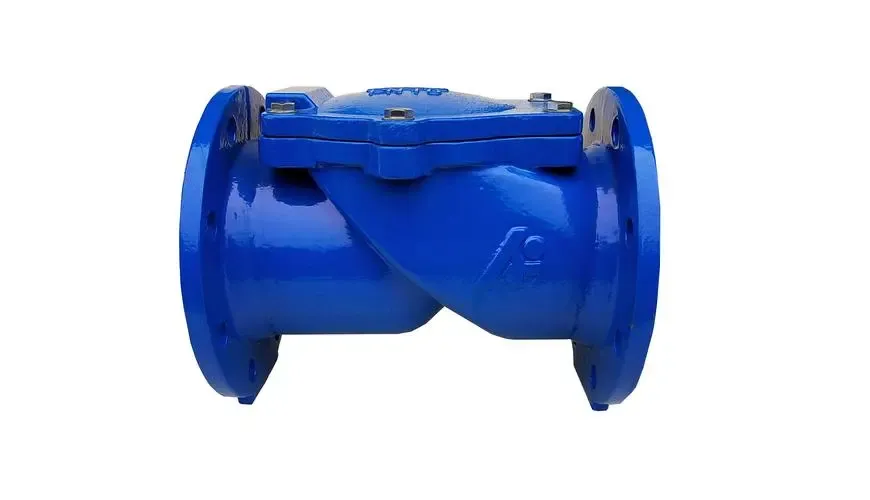
How to Turn Off the Main Water Valve Turning off the main water valve in your home is an essential skill every homeowner should possess. Whether you're facing a plumbing emergency, like a burst pipe or a significant leak, or you simply need to carry out repairs, knowing how to effectively shut off the main water supply can save you from costly damage. Here’s a comprehensive guide on how to locate, turn off, and understand the significance of your main water valve. Understanding the Main Water Valve The main water valve serves as the primary shut-off point for your home’s water supply. It controls the flow of water from the municipal supply or your well, and when turned off, it stops the water from entering your home’s plumbing system. This valve is typically located close to where the water line enters your home, which could be in a basement, crawl space, or near the foundation. Locating Your Main Water Valve Before you can turn off the main water valve, you first need to find it. In most homes, the valve is located 1. In the Basement or Crawl Space If your home has a basement, check near the wall that faces the street or near the floor where the water line enters. In a crawl space, look for the valve close to the ground and accessible without too much difficulty. 2. Outside In some homes, particularly those without basements, the main water valve may be located outside, often near the foundation . This could be in a small pit covered by a metal or plastic lid. 3. Utility Areas Some homes have their main water valve in utility rooms or laundry areas. Check behind appliances or fixtures like washing machines. how to turn off main water valve Turning Off the Main Water Valve Once you've located the valve, it’s time to turn it off. The process generally involves the following steps 1. Identify the Type of Valve There are two primary types of valves—gate valves and ball valves. A gate valve typically has a round handle and requires you to turn it clockwise until it is tight. A ball valve has a lever-style handle that needs to be turned perpendicular to the pipe, essentially perpendicular to the water flow. 2. Turn Off the Valve - For a gate valve, grab the handle and turn it clockwise until it can no longer turn. - For a ball valve, switch the lever 90 degrees so that it is perpendicular to the pipe. 3. Check for Leaks After turning off the valve, check faucets in your home to ensure the water supply has indeed been cut off. This step is crucial, especially if you’re preparing for plumbing work. Why is This Important? Knowing how to turn off your main water valve is vital for several reasons. First, it can help minimize water damage in case of an emergency. A burst pipe can release a significant amount of water in a short time, leading to structural damage and costly repairs. Additionally, shutting off the main valve is essential during severe weather, such as freezing temperatures, to prevent pipes from bursting due to expansion of ice. Conclusion In summary, being able to turn off the main water valve is a critical skill for any homeowner. It allows you to respond quickly to plumbing emergencies, reduces the risk of water damage, and prepares you for maintenance work on your plumbing system. Take a few moments to locate your valve, familiarize yourself with its operation, and practice turning it off. By doing so, you’ll be better prepared to protect your home and manage plumbing issues effectively.
about
what is laminated windows
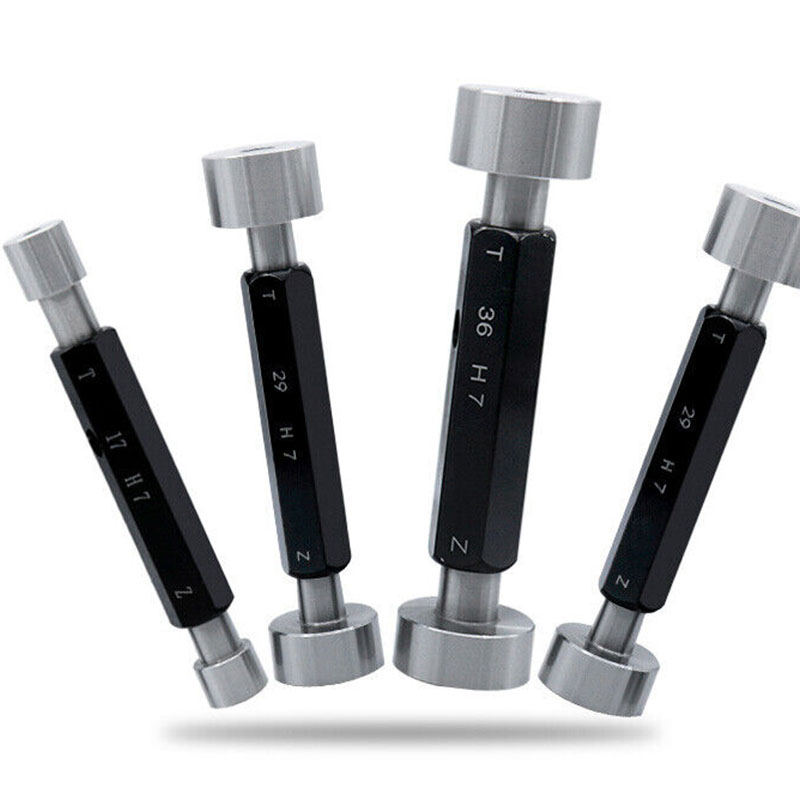
Understanding Ring Plug Gauges Precision Tools for Quality Assurance In the world of manufacturing and quality control, precision and accuracy are paramount. One of the vital tools utilized to ensure these standards is the ring plug gauge. This instrument plays a crucial role in the measurement and verification of dimensions of cylindrical parts, particularly in contexts where ensuring accuracy is critical for performance and safety. What is a Ring Plug Gauge? A ring plug gauge is a specialized measuring tool designed to check the dimensional accuracy of holes and shafts. It typically consists of two components a ring gauge and a plug gauge. The ring gauge is used to measure the external dimensions of a workpiece, while the plug gauge is used for internal dimensions. Together, they form a crucial part of the gauging system used in quality assurance processes. The ring gauge has a circular shape with a series of internal diameters that correlate to the specifications of the part being measured. It checks whether the diameter of the hole falls within acceptable limits, ensuring that it is neither too large nor too small. The plug gauge, conversely, evaluates whether the drilled hole has been accurately machined to meet the required tolerances. Importance in Manufacturing The importance of ring plug gauges in manufacturing cannot be overstated. In industries such as automotive, aerospace, and machinery, parts are often subjected to high levels of stress and must fit together perfectly. Even minor deviations from specified dimensions can lead to mechanical failures, safety hazards, or costly repairs. Ring plug gauges provide a straightforward, effective method for ensuring that components are manufactured within specified tolerance ranges. By allowing manufacturers to verify dimensions during the production process, these gauges help to maintain the integrity of the final product. Types of Ring Plug Gauges There are various types of ring plug gauges, each designed for specific applications and tolerances. Some common types include ring plug gauge 1. Go/No-Go Gauges These gauges have two distinct measuring elements—a Go side that should fit and a No-Go side that should not fit. This binary checking method ensures that the part is within the allowed limits. 2. Master Gauges Often used for calibration, these are precise gauges that serve as standards against which other gauges can be measured. 3. Segmented Gauges Designed for intricate shapes and profiles, these gauges can conform to various designs while still measuring the overall dimensions accurately. Benefits of Using Ring Plug Gauges 1. Accuracy These gauges provide high precision when measuring part dimensions, ensuring that products meet stringent quality standards. 2. Time Efficiency They simplify the inspection process, allowing for quicker evaluations than traditional measurement techniques. 3. Consistency Using standardized gauges helps maintain uniformity in manufactured parts, contributing to overall product reliability. 4. User-Friendly The design of ring plug gauges makes them easy to use, facilitating quick training for operators and ensuring that measurements can be taken correctly. Conclusion Ring plug gauges are indispensable tools in the quality assurance arsenal of modern manufacturing. They ensure that parts are produced to exact specifications, enhancing safety and performance across various industries. By integrating ring plug gauges into production processes, manufacturers can achieve higher standards of accuracy and efficiency, ultimately leading to better products and reduced costs. As technology continues to advance, the role of such precision instruments will only become more critical in sustaining the pace of innovation and quality in manufacturing.
-

High quality industrial productsagement

High quality industrial products
View Details -

Meet the diverse needs of customers

Meet the diverse needs of customers
View Details -

Strict quality control

Strict quality control
View Details -

Top raw materials

Top raw materials
View Details -

Trusted supplier

Trusted supplier
View Details
Our application

news and information
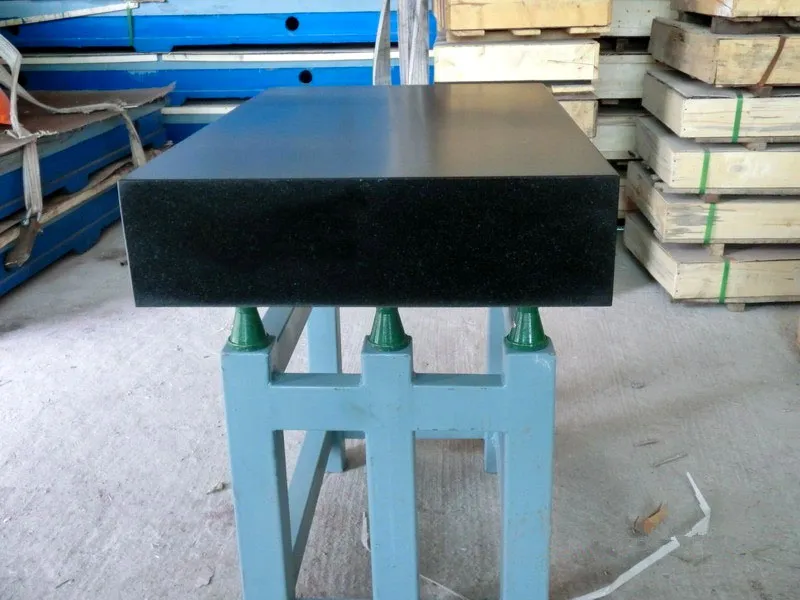
Y Type Strainer Cost and Pricing Analysis for Industrial Applications
Understanding the Pricing of Y-Type Strainers When it comes to maintaining the efficiency and longev
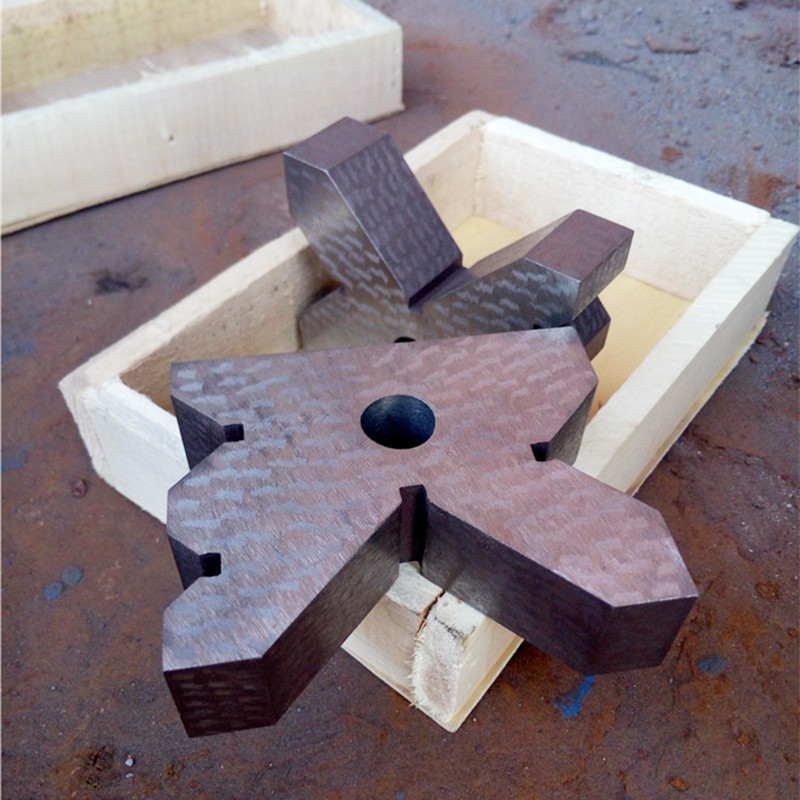
Válvula globo de 3 polegadas
A válvula de globo de 3 polegadas é um componente essencial em sistemas de tubulação, especialmente

Welding Station Design for Enhanced Efficiency and Precision
The Importance of a Welding Workbench in Fabrication Welding is a crucial process in various industr
 English